-

Spirited Away(Sen to Chihiro no Kamikakushi) Let’s Learn Japanese Language and Culture!
Spirited Away (Sen to Chihiro no Kamikakushi:千と千尋の神隠し)is a 2001 Japanese animated fantasy film written and directed by Hayao Miyazaki, animated by Studio Ghibli. In Japanese folklore, spirited away, or Kamikakushi (神隠し) refers to the mysterious disappearance or death of a person, after they had angered t... -
Wrap Yourself in Tradition: A Step-by-Step Guide to Wearing a Yukata 【Video Tutorial】
Summer in Japan means many things: fireworks festivals, chilled beer gardens, and, of course, the timeless tradition of donning a yukata. This lightweight kimono is a staple of Japanese summer fashion, worn by both men and women for everything from summer festivals to strolls through the park. But if you're a foreig... -
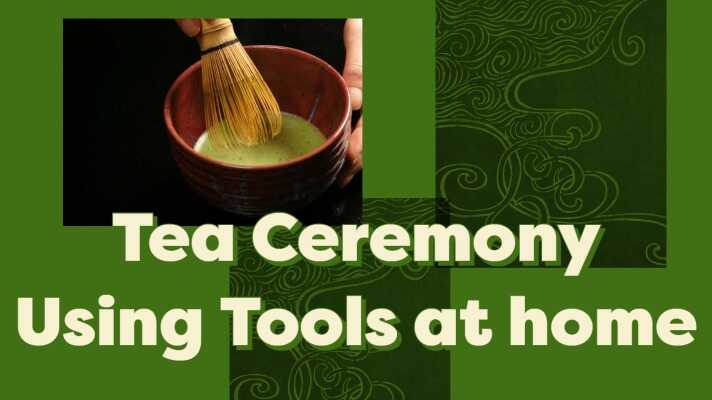
Let’s Have a Japanese Tea Ceremony using Tools You Have at Home!
Let us enjoy making matcha green tea on a table at home. This is not an official tea serving procedure a free-form tea serving method, which is aimed to make a good bowl of thin green tea at home. The only item you need is a tea whisk. -
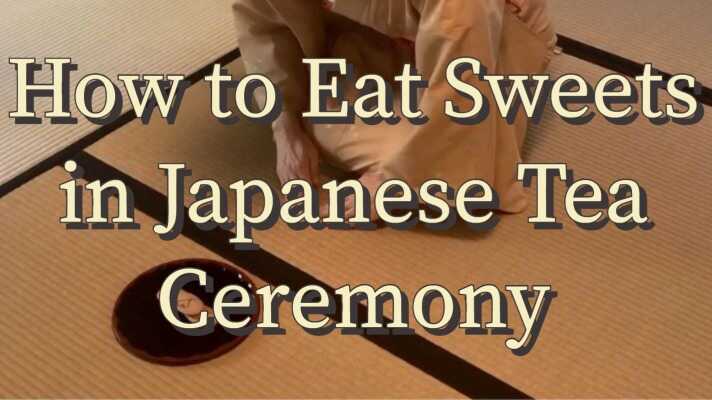
Japanese Sweets (Wagashi) at Japanese Tea Ceremony (Urasenke): Higashi and Omogashi
There are two types of Japanese sweets (wagashi) served at Japanese tea ceremony: "higashi (干菓子)" and "omogashi (主菓子). Higashi is served at uscha (thin tea). Omogashi is served at koicha (thick tea). Here you will learn about "higashi" and "omogashi" and how to eat "higashi" at "tea" (Urasenke). You will also learn Japanese vocabulary and phrases used in "how to eat sweets". -
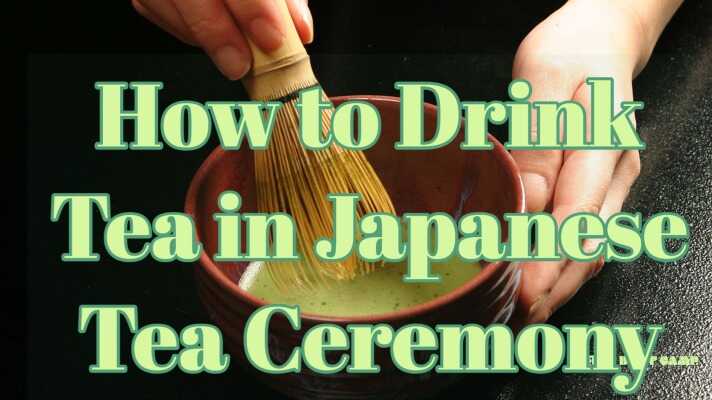
Sip with Grace: How to Drink Tea in a Traditional Japanese Tea Ceremony
Welcome to our latest video in which we'll be exploring the art of tea drinking in a traditional Japanese tea ceremony. Tea ceremonies, or 'chado' in Japanese, are a quintessential part of Japanese culture that date back centuries. They're not just about savoring the taste of tea, but also about experiencing a momen... -
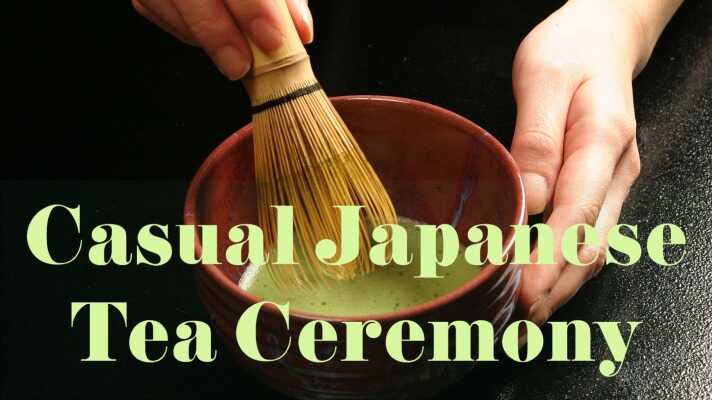
Casual Japanese Tea Ceremony: Using Chasen・Chashaku・Natsume
We will show you how to make a delicious bowl of thin green tea(薄茶)at home. All you need is a chasen (tea whisk), chashaku (tea scoop), and natsume (tea container). This is not an official tea serving procedure, but is free-form tea serving methods. As for utensils, a luncheon mat instead of a tray and an electric kettle instead of a kettle are all you need to make a delicious cup of matcha. -
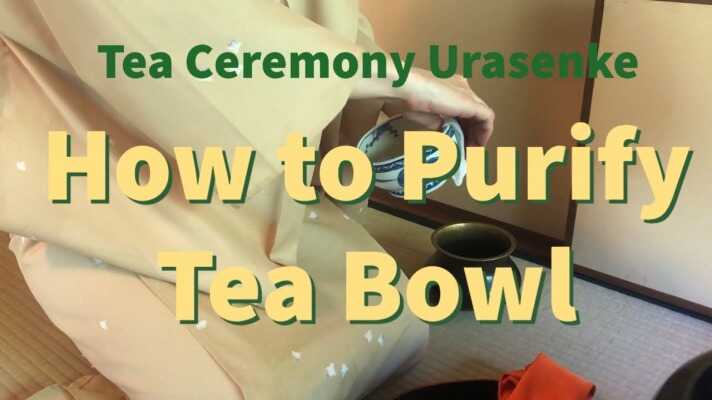
How to Purify Tea Bowl(Urasenke: Japanese Tea Ceremony )
Cleaning the tea bowl is a fundamental part of the tea ceremony, a required ritual before a tea gathering. In this article, we explore the Urasenke tradition's method for cleaning tea bowls, delving into its cultural significance. Learning how to clean a tea bowl is vital in tea ceremony practice, symbolizing the pu... -
Things to do in Koedo Kawagoe (Day Trip to Saitama)
Welcome to Kawagoe, a captivating city steeped in history and brimming with cultural treasures. Located just a short distance from Tokyo, this charming destination offers a plethora of exciting activities and attractions for visitors to enjoy. From iconic landmarks to serene temples, and from traditional residences ...