Japanese Tea Ceremony– category –
-

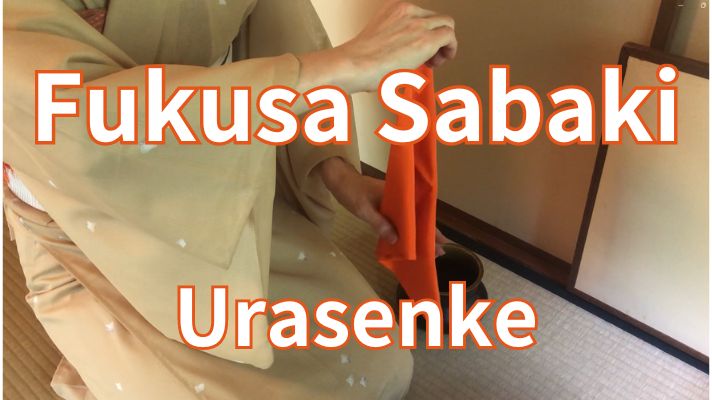
Mastering the Art of the Fukusa: A Deep Dive into Its Role in the Japanese Tea Ceremony
Here, based on the following video, we will explain the purification methods for the natsume (tea caddy) and chashaku (tea scoop). -
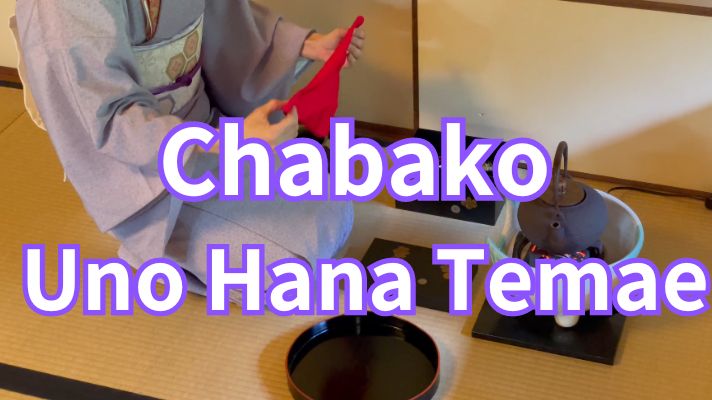
Exploring the Chabako: A Traditional Element of the Japanese Tea Ceremony
This article provides a detailed procedure of the Urasenke school's Chabako Temae known as 'Unohana Temae. -
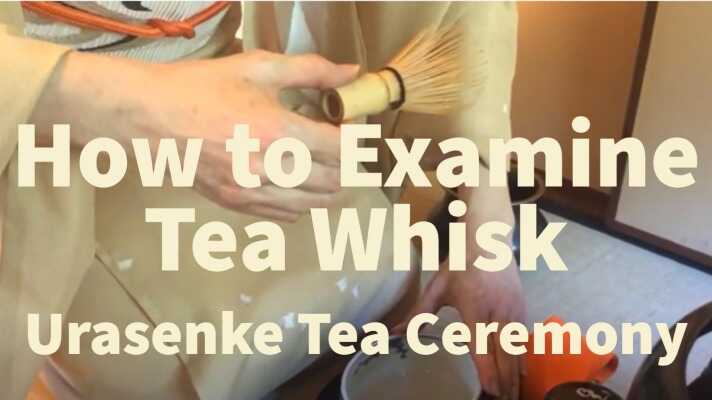
How to Examine Tea Whisk (Chasen) [Japanese Tea Ceremony Urasenke ]
In this article, we will introduce the correct method of examining a tea whisk (chasen) in the Urasenke school, a representative school of the Japanese tea ceremony. You can learn by watching videos. We also show you the best places to buy chasen (tea whisk) on Amazon US. How to Purify Tea Bowls https://youtu.be/_... -
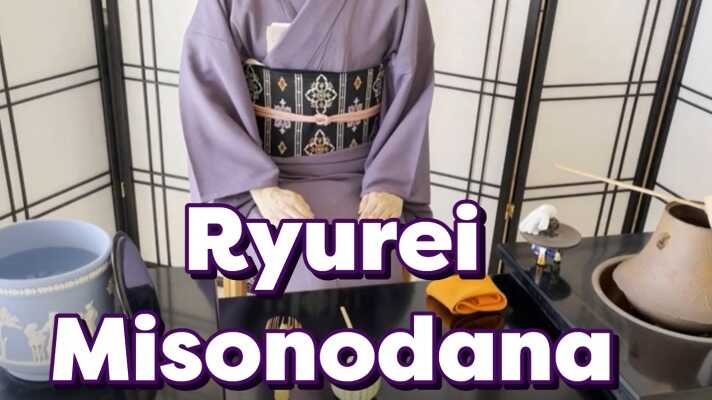
【Urasenke】 Ryuurei Usucha Temae (Misonodana)
“Ryurei” style tea serving procedure was first introduced by Gengensai, the 11th Generation Grand Master of Urasenke Tradition of Chado in 1872. Today, the table we are using is called “Misonodana” designed in 1952 by Tantansai, the 14th Generation Grand Master of Urasenke Tradition of Chado. -
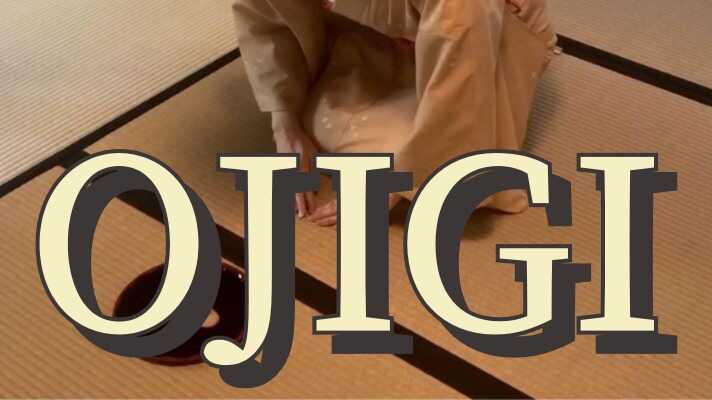
Japanese Tea Ceremony Bowing (Urasenke) : Let’s Learn Japanese!
There are three types of bowing (Ojigi) : Shin(formal), Gyō(semi-formal), and Sō (informal) in Japanese Tea Ceremony (Urasenke). This video introduces the three types of bowing in the Japanese tea ceremony. Also you can learn simple Japanese used in the tea ceremony, especially bowing. First watch this video below. -
Let’s Have a Japanese Tea Ceremony using Tools You Have at Home!
Let us enjoy making matcha green tea on a table at home. This is not an official tea serving procedure a free-form tea serving method, which is aimed to make a good bowl of thin green tea at home. The only item you need is a tea whisk. -
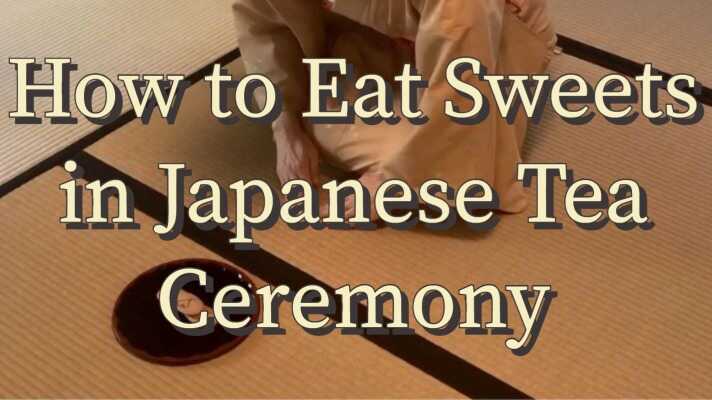
Japanese Sweets (Wagashi) at Japanese Tea Ceremony (Urasenke): Higashi and Omogashi
There are two types of Japanese sweets (wagashi) served at Japanese tea ceremony: "higashi (干菓子)" and "omogashi (主菓子). Higashi is served at uscha (thin tea). Omogashi is served at koicha (thick tea). Here you will learn about "higashi" and "omogashi" and how to eat "higashi" at "tea" (Urasenke). You will also learn Japanese vocabulary and phrases used in "how to eat sweets". -
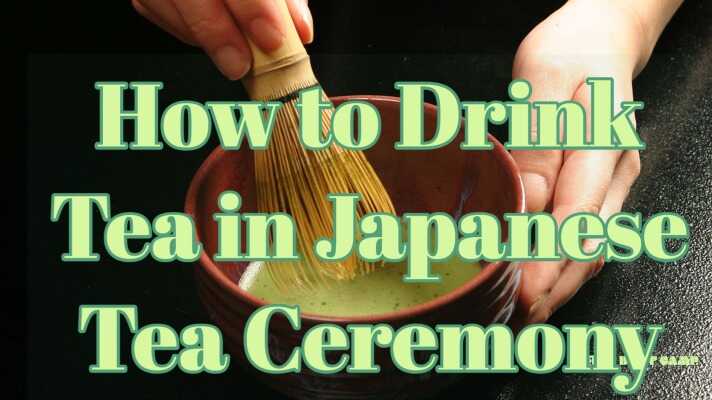
Sip with Grace: How to Drink Tea in a Traditional Japanese Tea Ceremony
Welcome to our latest video in which we'll be exploring the art of tea drinking in a traditional Japanese tea ceremony. Tea ceremonies, or 'chado' in Japanese, are a quintessential part of Japanese culture that date back centuries. They're not just about savoring the taste of tea, but also about experiencing a momen... -
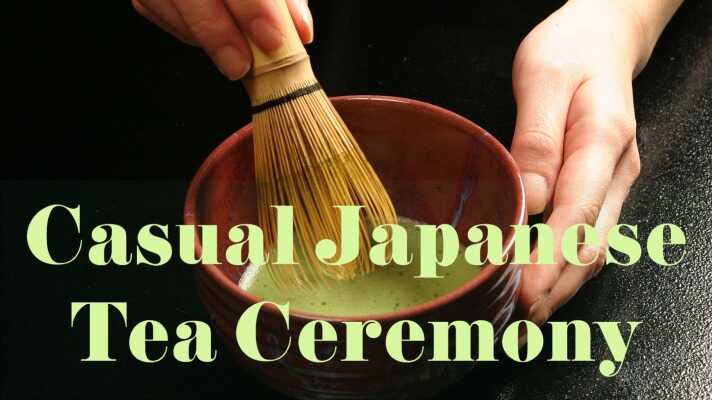
Casual Japanese Tea Ceremony: Using Chasen・Chashaku・Natsume
We will show you how to make a delicious bowl of thin green tea(薄茶)at home. All you need is a chasen (tea whisk), chashaku (tea scoop), and natsume (tea container). This is not an official tea serving procedure, but is free-form tea serving methods. As for utensils, a luncheon mat instead of a tray and an electric kettle instead of a kettle are all you need to make a delicious cup of matcha. -
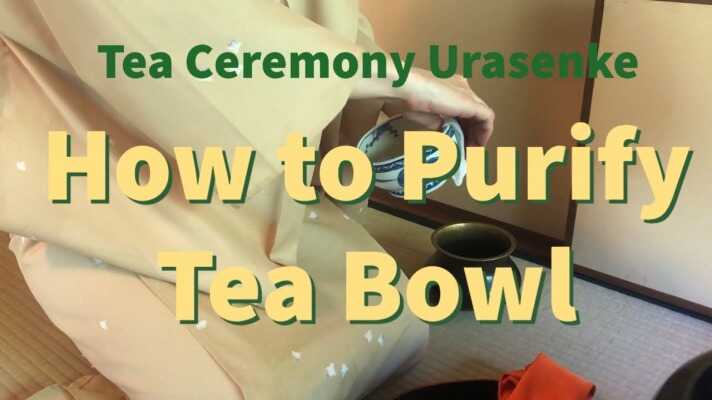
How to Purify Tea Bowl(Urasenke: Japanese Tea Ceremony )
Cleaning the tea bowl is a fundamental part of the tea ceremony, a required ritual before a tea gathering. In this article, we explore the Urasenke tradition's method for cleaning tea bowls, delving into its cultural significance. Learning how to clean a tea bowl is vital in tea ceremony practice, symbolizing the pu...

1